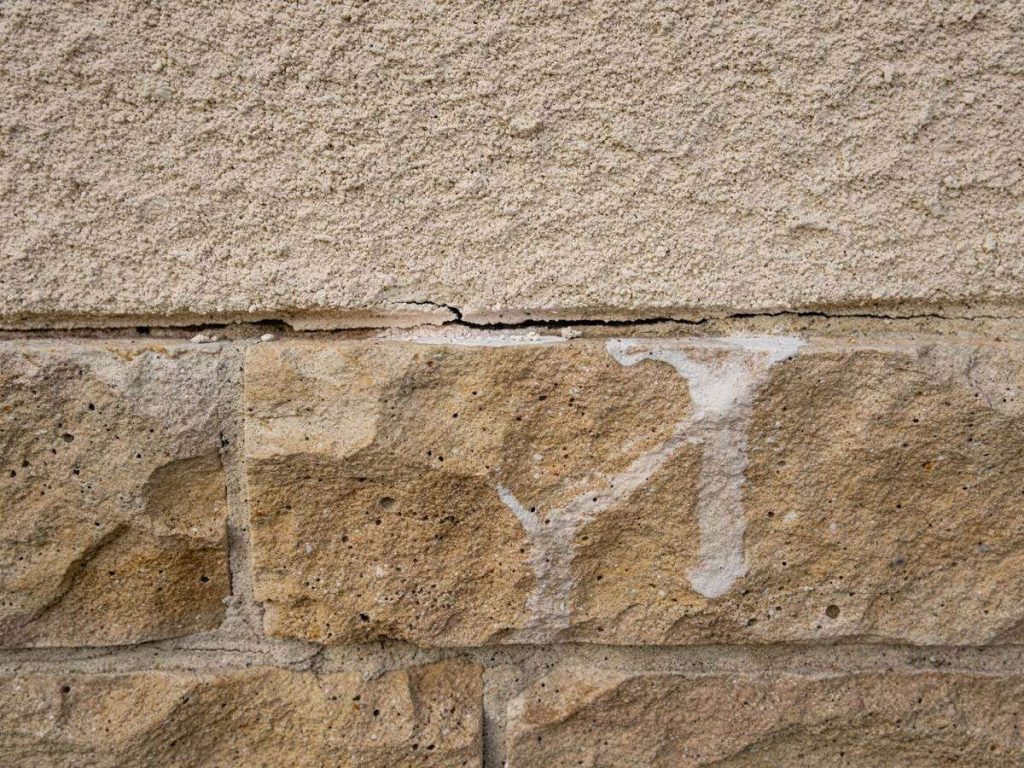
A lot of stucco problems are small enough for a handy homeowner. A hairline crack by the garage, a hole left by an old satellite dish mount, a chipped corner from a lawn mower: those are reasonable weekend jobs with the right products. Other problems look just as small from the outside but are symptoms of water or movement that a tube of caulk will not fix.
This guide sorts stucco repairs into three groups, the jobs you can do, the ones to think twice about, and the ones to hand off, with tips for doing the small ones well in Hill Country conditions.
The Quick Sort
| Job | DIY? | Why |
|---|---|---|
| Hairline cracks | Yes | Easy to clean, fill, texture and paint |
| Small holes from screws, anchors or fixtures | Yes | Small area, simple patch |
| Small chips and dings | Yes, with patience | Texture matching is the hard part |
| Cracks up to about 1/8 inch that are not growing | Usually | Watch them first to confirm they are stable |
| Holes larger than a fist | Maybe | Often needs lath and multiple coats |
| Wide, diagonal or stair step cracks | No | Usually signal movement that needs diagnosis |
| Stains, soft spots or bubbling | No | Point to water behind the stucco |
| EIFS damage | No | Different system and materials; easy to make worse |
| Anything high on a two story wall | No | Ladder safety and access |
Jobs You Can Do Yourself
Hairline cracks
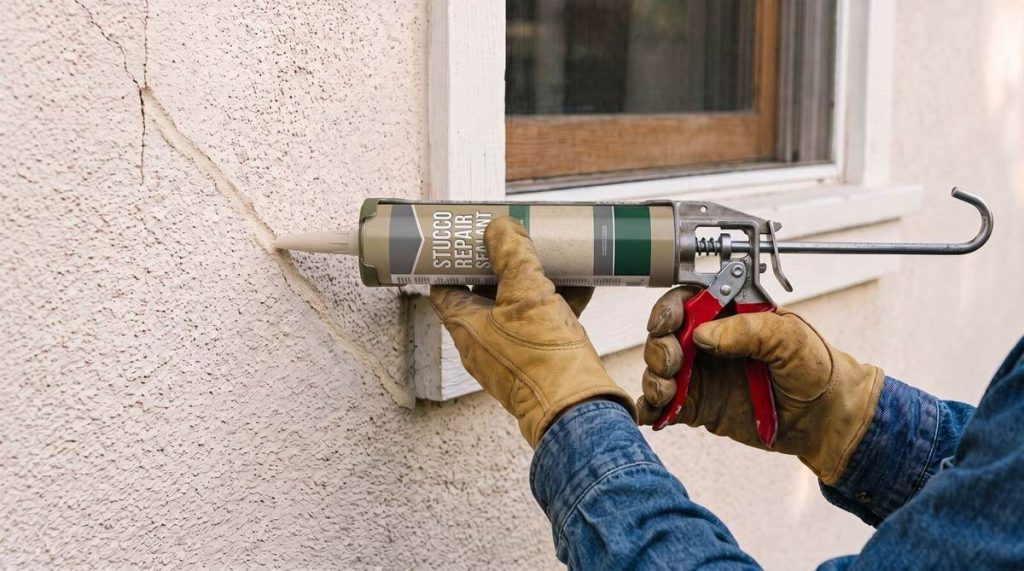
Clean the crack with a stiff brush, blow or vacuum out the dust, then fill it with a sanded acrylic stucco repair caulk. Texture it right away with a damp sponge or brush so it blends with the wall, let it cure, and paint if the wall is painted. Our guide to the best caulk for stucco cracks compares the main product types.
Small holes
For a screw or anchor hole, a premixed stucco patch or repair caulk is often enough. Fill slightly proud of the surface, then texture to match. For holes larger than a coin but smaller than your palm, a patch compound applied in layers works better than one thick fill.
Chips and dings
Clean loose material, dampen the area lightly if the product calls for it, apply a patch compound, and work on the texture. Practice the texture on a scrap of cardboard first.
Tips for Better DIY Results
- Read the label. Temperature and rain limits matter. Most products list a minimum temperature and a dry window before rain.
- Work early in the day. Hill Country summer afternoons can bake a south or west wall. Work in the morning or on the shaded side so the material does not skin over before it bonds.
- Clean thoroughly. Dust and loose sand are the main reasons small repairs fail.
- Push material in. Fill the crack or hole, do not just smear a film on the surface.
- Texture while wet. You have only a few minutes. Have the sponge, brush or float ready before you start.
- Leave control joints alone. Straight joints in the stucco are there to let the wall move. Do not fill them.
- Paint to finish. A painted repair, feathered into the wall, blends much better than raw patch material.
Safety Basics
- Wear eye protection and gloves. Cement based products can irritate skin and eyes.
- Cutting or grinding stucco creates fine dust that can contain silica. Wear a properly fitted respirator rated for that dust, work with water or a vacuum attachment when you can, and keep others away.
- Use a stable ladder on firm ground and stay off ladders for anything above a single story.
- Watch for wasps and bees around eaves and light fixtures during warm months.
Jobs to Think Twice About
Larger holes
Holes bigger than a fist often go through to the lath or sheathing. A proper repair may need new lath, a scratch coat, a brown coat and a finish coat, each with cure time. It is doable for experienced DIYers, but the risk of a patch that cracks or lets water in is real.
Cracks that are about 1/8 inch wide
Mark the ends with a pencil and date them. If the crack grows past the marks over a few months, it is still moving and needs diagnosis. If it stays put, a DIY repair can work.
Matching integral color stucco
If the color is mixed into the stucco instead of painted on, matching a patch can be very hard. You may end up recoating a whole wall section to make it blend. See our guide to stucco repair kits for products that help.
Jobs to Leave to a Pro
- Diagonal cracks from window and door corners, or stair step cracks, which often signal movement
- Cracks that keep coming back after you fill them
- Stains, efflorescence, bubbling paint or soft stucco, which point to water behind the wall
- Hollow sounding areas where stucco has separated from the lath
- EIFS (synthetic stucco), which uses foam and a mesh reinforced base coat that needs specific materials
- Damage near stone transitions, roof lines or windows, where flashing is often part of the problem
- High walls, parapets and chimneys, where safety and access come first
In these cases, filling the surface can hide the symptom while the damage keeps going behind it.
DIY vs Pro: Typical National Costs
National cost guides give these typical ranges for reference. They are national figures, not local quotes:
- Stucco repair caulk: about $30 per tube
- Patch kit: about $30 to $40
- Small professional patch: about $200 to $600
- Hairline crack repair: about $8 to $20 per square foot, often with a $200 to $600 minimum
- Most professional repair jobs: about $600 to $3,000
The DIY savings are real on small jobs. On bigger jobs, a failed DIY repair can mean paying to remove your patch and fix the original problem. More detail is in our stucco repair cost guide.
Not Sure Which Group Your Repair Is In?
That is exactly what a photo estimate is for. Guadalupe Stucco Co. will look at your photos and tell you honestly whether it is a DIY job. If it is, we will say so. If it is not, we will explain why before we give you a free written estimate. Our stucco repair service is based around New Braunfels and covers the surrounding Hill Country.
FAQ
Can I repair stucco myself?
Yes, for small jobs like hairline cracks, screw holes and minor chips. Larger holes, wide or growing cracks, water damage and EIFS repairs are better left to a pro.
What is the best product for DIY stucco crack repair?
A sanded acrylic stucco repair caulk is the usual choice for hairline and small cracks because it stays flexible, takes texture and can be painted.
Can I use regular caulk on stucco?
Clear silicone and smooth caulks tend to look shiny and do not hold texture. Many do not take paint well. A stucco specific product usually blends far better.
Why did my DIY stucco patch crack?
Common reasons are a dusty surface, a patch applied too thick in one layer, drying too fast in heat, or a wall that is still moving under the repair.
Send us a photo first. Take a close photo with a tape measure in the shot and one from across the yard. We will tell you whether it is a weekend fix or something more. Photo estimates are free, with no pressure.