When stucco is cracked, stained or patched in a dozen places, it is natural to wonder whether you are throwing good money after bad. Sometimes a targeted repair is the smart move. Sometimes the wall has reached the point where patching just delays a bigger bill. The difference usually comes down to what is happening behind the surface, not how the wall looks from the street.
Here is how to think through repair, recoat and full restucco, with typical national cost ranges for each, so you can have a clear conversation with any contractor.
Three Levels of Fix
| Option | What it involves | When it fits |
|---|---|---|
| Spot repair | Fixing cracks, holes or damaged sections and blending them in | Damage is localized and the wall behind it is sound |
| Recoat | A new finish coat, color coat or elastomeric over the existing stucco, after repairs | Stucco is solid but faded, patchy or covered in fine cracks |
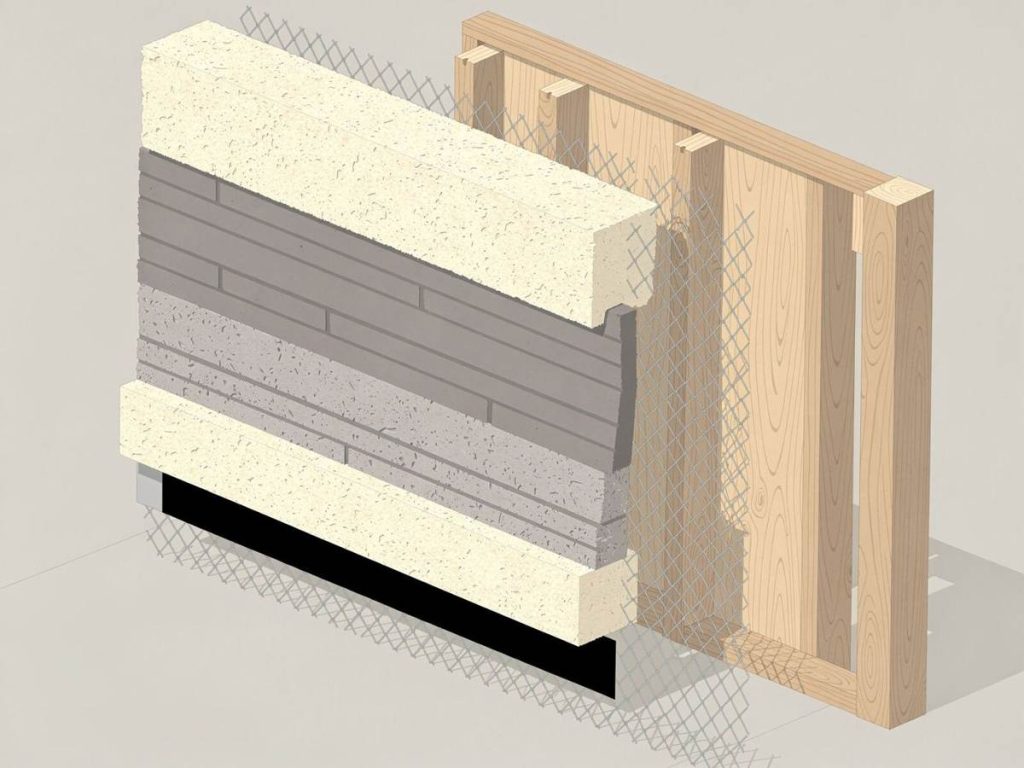
| Full restucco | Removing old stucco down to the framing or sheathing, then new lath, moisture barrier and stucco | Damage is widespread, the wall is wet behind the stucco, or the system failed |
Typical National Cost Ranges
National cost guides give these typical ranges. They are national figures to help set expectations, not local quotes or our prices:
- Most stucco repair jobs: about $600 to $3,000, with a national average around $1,300 to $1,700
- Small patch: about $200 to $600
- Larger crack repair: about $8 to $30 per square foot
- Water damage repair with lath: about $30 to $50 per square foot, up to about $120 for severe damage
- Recoat or color coat: about $4 to $5 per square foot, with some guides showing $1.50 to $8
- Elastomeric coating: about $1.50 to $5 per square foot
- Full restucco: about $7 to $12 per square foot installed, plus about $1 to $3 per square foot to remove the old stucco
- Permits for larger work: about $150 to $2,000
To put the restucco range in perspective, here is simple math using those national numbers. A home with 2,000 square feet of stucco wall would land around $14,000 to $24,000 for new stucco, plus roughly $2,000 to $6,000 for removal, before permits or any framing repair. Your actual number depends on your walls.
High end custom homes, two story walls, stone transitions and difficult access tend to push jobs toward the upper end of every range. Our stucco repair cost guide explains each line item in more detail.
Signs Repair Is Probably Enough
- Cracks are mostly hairline or limited to a few spots
- The stucco sounds solid when tapped, without hollow areas
- There are no signs of water damage inside
- Problems trace back to one clear cause, like a single settling corner or one leaking window
- The house is relatively young and the system was installed with proper drainage details
In those cases, fixing the cause and repairing the damaged section is usually the most cost effective path. Our stucco repair service covers that kind of work.
Signs a Recoat Makes Sense
- The stucco is sound, but sun has faded it unevenly
- A wall is covered in fine spider web cracks
- Many old patches show through in different shades
- You want a new color and your HOA has approved it
A recoat usually costs a fraction of a restucco and can refresh the whole house. It only works on stucco that is solidly attached and dry.
Signs Replacement May Be Worth It
- Hollow or delaminating stucco across large areas, where the stucco has pulled away from the lath
- Moisture behind the wall in many locations, confirmed by testing or by soft, rotting sheathing found during repairs
- Repeated repairs in the same areas that keep failing
- Missing drainage details, like no weep screed or missing flashing, across the whole house
- Widespread cracking from a system that was installed poorly
- A major remodel or addition where matching old stucco would be harder than starting over
Water is the biggest factor. When moisture has damaged the lath, sheathing or framing in many spots, spot repairs can leave hidden damage behind. Our guide to the signs of water damage behind stucco explains what to look for.
Age Alone Is Not the Deciding Factor
Well installed and maintained cement stucco can last a very long time. Age matters less than condition. A 30 year old wall with good drainage and regular upkeep may be in better shape than a much newer wall with poor flashing. For more on lifespan, see how long stucco lasts.
Hill Country Factors in the Decision
- Newer construction along I 35. Fast growing areas around San Marcos, Kyle, Buda and New Braunfels have many newer homes. Cracking in the first years is often settling or shrinkage and usually calls for repair, not replacement.
- Clay soils east of the Balcones Escarpment. Deep clays that shrink and swell can keep cracks reopening. Fixing drainage and foundation issues first matters more than new stucco.
- Stone and stucco homes. Problems often concentrate at stone transitions. Targeted repair there may solve most of the issue.
- Storm damage. Hail or flooding damage across several walls can shift the math toward recoating or replacing whole sections.
Questions to Ask Before You Decide
- What is causing the damage, and will the repair address that cause?
- Has moisture been checked behind the stucco, and how?
- How much of the wall is affected, by approximate square footage?
- What would a repair plus recoat cost compared with full replacement?
- Will a permit be needed, and who handles it?
- If you plan to sell soon, what would a buyer’s inspector likely flag?
How Guadalupe Stucco Co. Helps
We start by finding out why the stucco is failing, then explain whether repair, recoat or replacement makes the most sense before we give you a free written estimate. If repair will do the job, we will say so. Our stucco installation and restucco service covers full replacement across New Braunfels and the Hill Country, including San Marcos.
FAQ
How much does it cost to restucco a house?
National cost guides put full restucco around $7 to $12 per square foot installed, plus about $1 to $3 per square foot for removal. Total cost depends on wall area, height, access and any damage behind the old stucco.
Is it cheaper to repair or replace stucco?
Repair is usually far cheaper when damage is localized and the wall behind it is dry. Replacement starts to make sense when damage and moisture are widespread.
Can you put new stucco over old stucco?
A new finish coat can go over sound, well attached stucco. A full new system over failing or wet stucco is generally not recommended, because the problems underneath remain.
How long does a restucco project take?
It varies with the size of the house, weather and cure times between coats. Ask for a schedule as part of any written estimate.
Not sure which way to go? Send us photos of the problem areas and a wide shot of each side of the house. We will tell you honestly whether it looks like a repair, a recoat or something bigger. Photo estimates are free, with no pressure.