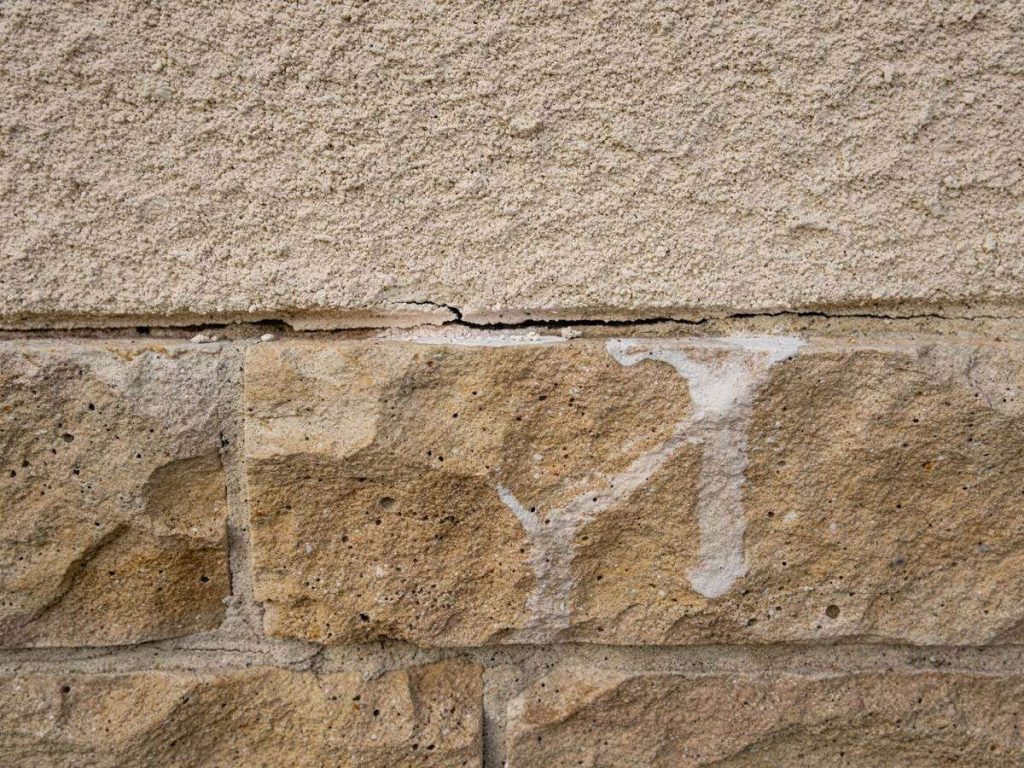
You bought a newer home, maybe the first owner in a neighborhood that was pasture a few years ago, and now there are cracks in the stucco. It is a frustrating thing to find on a house that still smells like fresh paint. The good news is that many cracks on newer stucco homes are cosmetic and expected as the materials cure and the house settles. The less good news is that some are early signs of soil movement, missing control joints or water getting in, and those are easier to address while they are small.
Here is why newer stucco cracks, which cracks to take seriously, and what to do about them.

A Region Building Fast
The I 35 corridor between Austin and San Antonio has been one of the fastest growing areas in the country. According to the 2020 Census, Hays County grew about 53 percent between 2010 and 2020, and Comal County grew about 49 percent. The Census Bureau ranked them first and second among the fastest growing U.S. counties with at least 100,000 residents over that decade.
That pace means a lot of new stucco walls going up at once, often on freshly graded lots. Fast schedules, fresh fill, and soils that are still adjusting can all contribute to early cracking.
Why New Stucco Cracks
Curing and shrinkage
Cement stucco shrinks slightly as it cures and dries. Fine, random hairline cracks, sometimes called map cracking or crazing, often show up in the first year or two. They are usually cosmetic. Hot, dry, windy weather during application can make shrinkage cracking worse if the stucco dries too quickly.
Framing that is still drying out
New lumber shrinks as it dries. As the framing behind the stucco settles and adjusts, cracks can open at weak points, especially at window and door corners.
Settling on new lots
Many subdivisions are built on lots that were graded with cuts and fills. Fill soil can compress over time, and slabs can settle slightly as they find equilibrium. That movement often shows up as diagonal cracks from openings.
Expansive clay soils
Parts of the corridor, especially east of the Balcones Escarpment, sit on Blackland Prairie clay. The Texas Water Development Board describes the region’s signature Houston Black soil as highly expansive, shrinking and cracking when dry and swelling when wet. Foundations on these soils can move with wet and dry cycles, and stucco is one of the first finishes to show it. Our article on clay soil, limestone and stucco cracks goes deeper on how soil type affects cracking.
Control joint spacing
Stucco needs control joints to manage shrinkage and movement. The industry standard for installing lath and stucco, ASTM C1063, calls for control joints that limit panels to no more than 144 square feet on walls, with no more than 18 feet between joints in either direction and a length to width ratio of about 2.5 to 1. Large unbroken walls without enough joints are more likely to crack. Even when joints are installed correctly, some cracking can still occur.
Window and door corners
Openings concentrate stress. Diagonal cracks from the corners of windows and doors are among the most common cracks on any stucco home, new or old.
Which Cracks Are Normal and Which Are Not
| Crack type | Usually means | What to do |
|---|---|---|
| Fine, random hairline cracks | Shrinkage as the stucco cured | Monitor, seal before painting |
| Thin diagonal crack at a window corner | Normal stress at an opening or minor settling | Seal and monitor for growth |
| Cracks wider than about 1/8 inch | More significant movement | Have it evaluated |
| Stair step or offset cracks | Ongoing foundation movement | Have it evaluated, possibly by an engineer |
| Cracks that keep growing | Active movement | Have it evaluated |
| Cracks with staining, bulging or soft areas | Water getting in | Have it evaluated soon |
| Long horizontal cracks along a wall | Possible lath or framing issue | Have it evaluated |
Mark the ends of a crack with a pencil and date it. Tracking growth over a few months is one of the most useful things you can do. For small, stable cracks, our guide on how to repair stucco cracks explains how to seal them.
What to Do If Your New Home Has Stucco Cracks
- Document early. Take dated photos of each crack with a ruler or coin for scale.
- Check your builder paperwork. Many builders provide a written warranty for certain workmanship and structural items. Read what yours covers and the deadlines for reporting issues.
- Report cracks in writing to your builder if they fall within the warranty window.
- Watch the foundation. Sticking doors, new drywall cracks inside and gaps at trim can mean the cracks outside are related to foundation movement.
- Manage drainage and watering. On expansive soils, keeping soil moisture around the foundation as consistent as possible may help reduce movement. Make sure gutters and grading move water away from the house.
- Get an independent opinion if you are unsure whether a crack is cosmetic or structural.
HOAs and Matching Repairs
Many newer subdivisions have HOAs with architectural review. When stucco is repaired, the patch needs to match the existing texture and color closely, and some HOAs require approval for exterior color changes. Integrally colored stucco, where the color is mixed into the finish coat, is especially tricky to match on a small patch. A good repair plan accounts for that from the start.
Typical Crack Repair Costs
Typical national cost ranges put hairline crack repair at about $8 to $20 per square foot, often with a $200 to $600 minimum, and larger crack repair at about $8 to $30 per square foot. Two story walls and difficult texture matches can push jobs toward the upper end. Our stucco repair cost guide explains more.
If the cracks on your newer home have you wondering, our stucco crack repair service starts by looking for the cause, and we explain what we find before we quote. We serve Kyle and towns along the I 35 corridor and across the Hill Country.
FAQ
Is it normal for new stucco to crack?
Some fine cracking is common as cement stucco cures and the house settles. Wide, growing or stair step cracks are not something to ignore.
How long after construction do stucco cracks appear?
Shrinkage cracks often appear in the first year or two. Cracks from soil movement can show up later, especially after a drought or a very wet season.
Should my builder fix stucco cracks?
It depends on your builder’s written warranty and when the cracks appeared. Check your paperwork and report issues in writing within the stated deadlines.
Can expansive clay soil cause stucco cracks?
Yes. Clay soils that shrink and swell with moisture can move a foundation, and rigid stucco often cracks as a result.
Should I paint over new stucco cracks?
Seal them first. Paint alone will not close a crack, and an open crack can let water in.
Have Cracks on Your Newer Home?
Send us a few photos of the cracks with a ruler or coin for scale. We will give you an honest read on whether they look cosmetic or worth a closer look. Estimates are free and written, with no pressure.