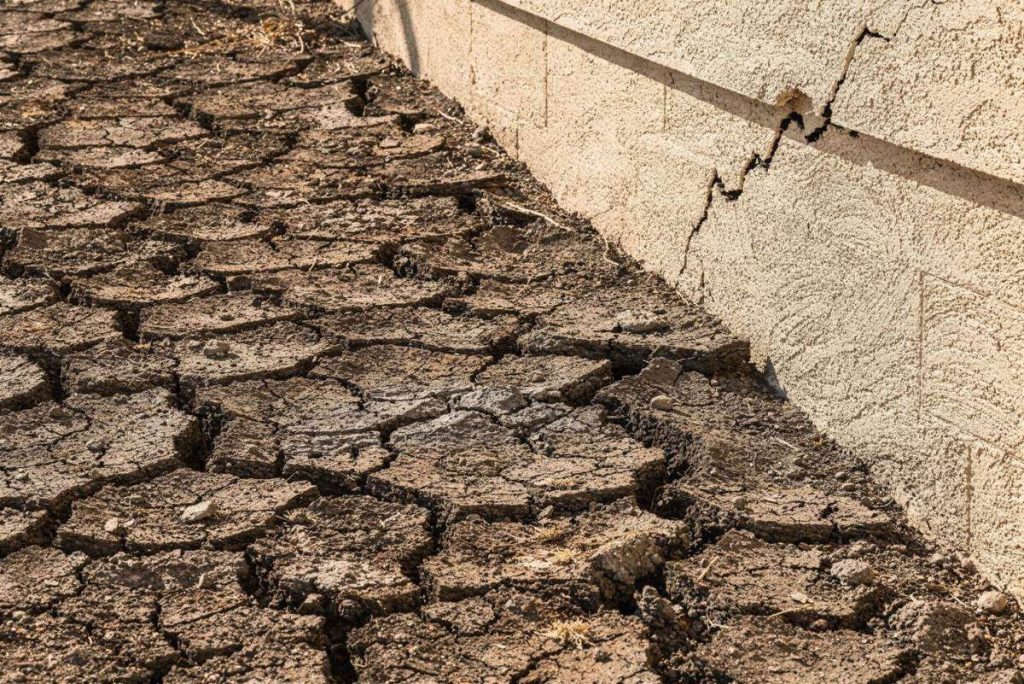
Stucco is a rigid finish sitting on a house that sits on the ground, so when the ground moves, stucco is often the first place you see it. In the Hill Country and along the I 35 corridor, the ground under a home can behave very differently depending on which side of a single geologic line it sits on. That line is the Balcones Escarpment, and understanding it helps explain why stucco cracks show up the way they do from one town to the next.
This article explains the two main soil settings in the region, how each one tends to crack stucco, and what homeowners can do about it.

The Balcones Escarpment: One Line, Two Landscapes
The Balcones Escarpment is a band of faulted rock that curves across Central Texas from around Waco toward Del Rio. Between Austin and San Antonio, the fault zone runs roughly along the path of I 35. The rise of the escarpment helps create the Hill Country’s terrain.
The landscape on each side is strikingly different:
- East of the escarpment: deep, dark, fertile soils of the Blackland Prairie
- West of the escarpment: hard limestone hills with thin, rocky soil, leading up to the Edwards Plateau
New Braunfels is a good example of how close these settings can be. Comal Springs, in Landa Park, rises along a fault in the Balcones Fault Zone. Neighborhoods a short drive apart can sit on very different ground.
East Side: Expansive Clay
Much of the Blackland Prairie is covered in heavy clay. The Texas Water Development Board describes Houston Black, the prairie’s signature soil and the recommended Texas state soil, as a Vertisol with a very high shrink and swell potential. It shrinks and cracks when dry and swells when wet, and the board notes that this property commonly limits building site development in urban areas. The soil covers about 1.5 million acres in a band that runs from north of Dallas to south of San Antonio.
How clay soil cracks stucco
When clay dries during a drought, it shrinks and can pull support away from parts of a foundation. When heavy rain returns, it swells and pushes back. Those cycles do not happen evenly. The edges of a slab often dry and wet faster than the center, and a shaded side of the house may behave differently from a sunny side.
Stucco cracks from clay movement often look like:
- Diagonal cracks from window and door corners
- Stair step cracks or cracks that widen toward one end
- Cracks that open in dry months and close slightly after rain
- Cracks that return after being sealed
- Interior signs at the same time, like sticking doors or drywall cracks
West Side: Shallow Limestone
West of the escarpment, many homes sit on thin soil over limestone. Rock is a solid base, but it brings its own challenges.
How limestone sites can crack stucco
- Cut and fill pads. On sloped lots, builders often cut into rock on one side and add fill on the other to create a flat pad. Fill can compress over time while the rock side stays put, and that uneven support can show up as cracking.
- Mixed bearing. Part of a foundation may rest on rock while another part rests on soil or fill, so the two areas respond differently.
- Pockets of clay. Limestone country is not uniformly rock. Pockets of clay or weathered material can exist between ledges.
- Drainage on slopes. Water running downhill across rock can collect against a foundation or soak a fill area during heavy rain.
Cracks on limestone sites are often more localized, appearing on one side or one corner of a house, rather than the seasonal open and close pattern common on clay.
Signs Your Stucco Cracks Are Soil Related
| Sign | Possible soil connection |
|---|---|
| Diagonal cracks from window and door corners | Foundation movement under that part of the house |
| Cracks that open in summer and close after rain | Seasonal clay shrink and swell |
| Stair step or tapered cracks | Uneven settlement |
| Cracks concentrated on one side or corner | Cut and fill or mixed bearing |
| Interior drywall cracks and sticking doors | Movement affecting the whole structure |
| Cracks that come back after sealing | Ongoing movement |
Fine, random hairline cracks that do not change are more often shrinkage of the stucco itself rather than soil movement. Our guide on how to repair stucco cracks explains how to tell the difference and seal the small ones.
What Homeowners Can Do
- Track cracks over time. Mark the ends with a pencil and date them. Note whether they change between dry and wet seasons.
- Manage water around the foundation. Keep gutters clean, make sure downspouts discharge away from the house, and check that the ground slopes away from the slab.
- Aim for consistent soil moisture on clay. Long dry spells followed by heavy watering or rain can make movement worse. Many foundation professionals recommend keeping moisture around the foundation as even as practical.
- Watch trees and beds. Large trees close to the house can pull moisture from clay soils, and flower beds that trap water against the slab can add to movement.
- Get the foundation evaluated if you see stair step cracks, cracks that keep growing, or interior signs. A structural engineer or foundation specialist can tell you whether movement is ongoing.
- Repair stucco after movement is addressed. Sealing or patching cracks before the cause is understood often means they reopen.
How Stucco Repairs Work on Moving Homes
Once the foundation has been evaluated, stucco repairs on soil related cracks usually involve cutting out and rebuilding the cracked area with cement based material, adding or repairing control joints where walls lack them, using flexible sealants at transitions like stone and window frames, and recoating to blend repairs into the wall as closely as possible. On homes with ongoing seasonal movement, a flexible elastomeric coating may help bridge future hairlines.
Typical national ranges put hairline crack repair at about $8 to $20 per square foot, often with a $200 to $600 minimum, and larger crack repair at about $8 to $30 per square foot. Elastomeric coatings run about $1.50 to $5 per square foot. Our stucco repair cost guide has the full picture.
For newer homes, our article on why new construction stucco cracks covers how fresh grading and curing add to the picture.
Our stucco crack repair service looks for the cause before recommending a fix, and we explain what we find before we quote. If a crack points to foundation movement, we will tell you so you can have it evaluated first. We serve San Marcos and communities across the Hill Country.
FAQ
Does clay soil cause stucco to crack?
It can. Expansive clay shrinks when dry and swells when wet, and that movement can shift a foundation enough to crack rigid stucco.
Is limestone better than clay for a stucco home?
Rock is a more stable base, but limestone lots can still have problems from cut and fill pads, mixed bearing and drainage. Each setting has its own risks.
How do I know if my stucco cracks are from foundation movement?
Look for diagonal or stair step cracks, cracks that change with the seasons, cracks that return after sealing, and interior signs like sticking doors. A foundation professional can confirm.
Should I fix my foundation before repairing stucco?
If the foundation is actively moving, yes. Repairing stucco first often means the cracks reopen.
Can watering my foundation help prevent stucco cracks?
On expansive clay, keeping soil moisture around the foundation more consistent may help reduce movement. It is not a guarantee, and drainage still matters.
Wondering If Your Cracks Are Soil Related?
Send us photos of the cracks and a few wider shots of the house. We will give you an honest read on what they suggest. Estimates are free and written, with no pressure.