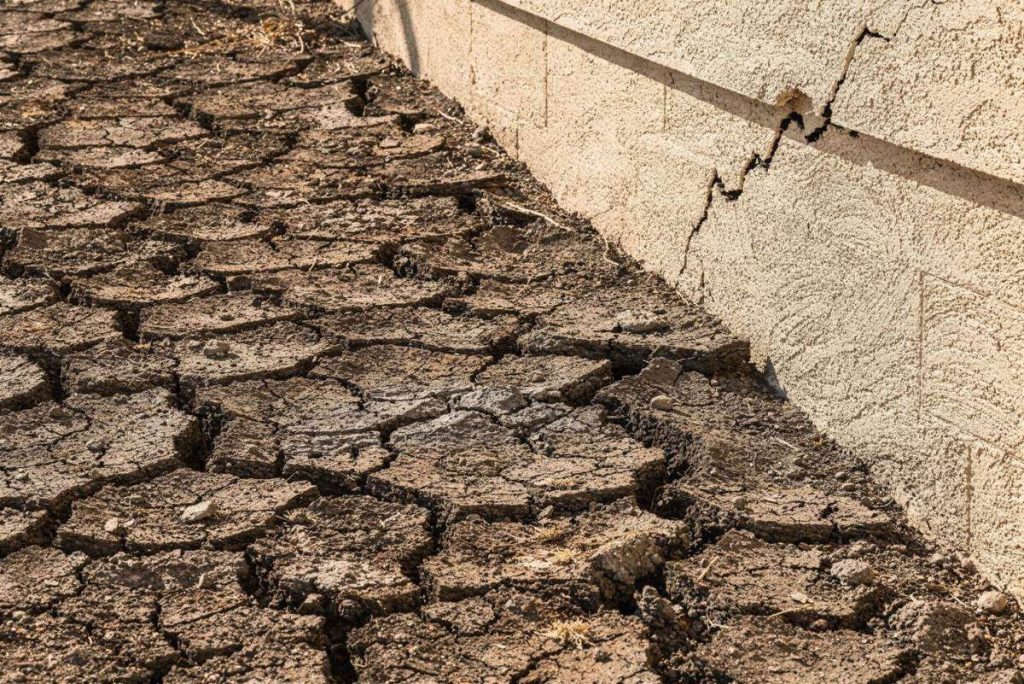
Stucco is everywhere in the Hill Country, from newer homes along the I 35 corridor to custom stone and stucco homes on hillside lots. Most of it performs well. The risk for a buyer is that the most expensive stucco problems, water damage to the lath, sheathing and framing, are hidden behind a wall that can look perfectly fine.
A general home inspection is a good start, but it is not designed to find everything behind stucco. Here is what a standard Texas inspection covers, when it makes sense to go further, and what to look for yourself on a showing.
What a Standard Texas Home Inspection Covers
In Texas, home inspectors are licensed by the Texas Real Estate Commission and follow TREC’s standards of practice. Those standards require inspectors to report deficiencies they observe in exterior wall claddings, flashing details and water resistant coatings, and to report evidence of water penetration.
The same standards also set clear limits. A standard inspection is not meant to be an exploratory probe. Inspectors are generally not required to use moisture meters or other specialized equipment, perform destructive testing, inspect hidden or concealed areas, or determine the cause of a condition. That means a home inspector may note a stained corner or a cracked wall, but they usually will not tell you how wet the framing is behind it.
When to Add a Stucco Specific Check
Consider a closer look at the stucco if:
- The general inspection notes cracks, stains or water penetration on stucco walls
- The home has EIFS rather than traditional cement stucco
- There are obvious patches, fresh paint over limited areas, or caulk smeared over cracks
- Stucco runs down to soil, mulch or pavers with no visible gap at the bottom
- The house has complex roof lines, lots of windows, or stone and stucco transitions
- The house sits near a river or creek, or the seller disclosed past flooding
Not sure whether the house has stucco or EIFS? Our post on EIFS vs stucco explains how to tell them apart.
Types of Stucco Evaluations
| Type | What it involves | What it can tell you |
|---|---|---|
| Visual evaluation | Close look at cracks, flashing, sealant, weep screeds, clearances and stains | Where the risk points are |
| Non invasive scan | Surface moisture meter readings across walls | Areas that may be wetter than others; not conclusive |
| Probe testing | Small holes drilled at risk points to take moisture readings behind the stucco, then sealed | Moisture levels in the sheathing at those spots |
Probe testing drills into the seller’s house, so it needs the seller’s permission. Your agent can help arrange that.
Red Flags You Can Spot on a Showing
You do not need tools to notice warning signs:
- Stains below windows and roof lines. Dark streaks or tan staining often trace where water runs or seeps.
- Cracks at window corners. Diagonal cracks from corners can signal movement and a path for water.
- Stucco buried at the bottom. The bottom edge should sit above soil and paving so the weep screed can drain.
- Missing kickout flashing. Where a roof edge ends against a wall, a small angled flashing should direct water away. Without it, staining often shows below.
- Fresh paint on one wall only. It may be cosmetic, or it may cover repairs. Ask.
- Soft or hollow spots. Press gently near the base and around windows.
- Inside clues. Stained baseboards, swollen trim, musty closets or fresh drywall patches on exterior walls.
- Stone and stucco joints. Check where stone meets stucco for open cracks or missing sealant.
For more detail on each sign, see our guide to the signs of water damage behind stucco.
Hill Country Factors Buyers Should Know
- New construction. Many fast growing areas have homes only a few years old. Some cracking in the first years is common as homes settle, but cracks near windows and roof lines still deserve a look.
- Soils. East of the Balcones Escarpment, deep clay soils shrink and swell with moisture, which can show up as cracking. West of it, homes on thin soils over limestone see more fast runoff in storms.
- Flood history. Homes near the Guadalupe, Comal, Blanco and San Marcos rivers, and around Canyon Lake, may have flood history. Ask for disclosures and check whether the property sits in a mapped flood zone.
- HOA rules. If repairs will be needed, ask whether the HOA has color and texture approval rules, since that can affect cost and timing.
Timing Matters
Many Texas purchase contracts include an option period, a short window when a buyer can back out, usually for a fee. Specialized stucco checks take time to schedule, especially if probe testing needs seller approval. Talk with your agent early about timing, and book the general inspection as soon as you can so there is room for a follow up.
What It Costs
National cost guides put a stucco inspection at about $100 to $500, depending on the type and the size of the home. Probe testing on a larger home tends toward the upper end. These are national ranges, not local quotes.
If issues turn up, repair costs vary widely. National guides put most stucco repair jobs around $600 to $3,000, and water damage repair with lath replacement at about $30 to $50 per square foot, up to about $120 for severe damage. Our stucco repair cost guide can help you weigh a repair estimate during negotiations.
How Guadalupe Stucco Co. Can Help Buyers
If your inspection flags stucco problems, we can look at the areas in question, explain what we think is causing them, and give you a free written repair estimate you can use in conversations with the seller. We focus on repair, so we will tell you plainly whether something looks minor or worth a deeper look. Our stucco water damage repair service covers New Braunfels and the Hill Country, including Canyon Lake.
FAQ
Does a regular home inspection check stucco?
A Texas inspector reports visible deficiencies and evidence of water penetration in exterior cladding, but is not required to use moisture meters, do destructive testing or inspect concealed areas behind the stucco.
Should I avoid buying a stucco house?
Not necessarily. Well built, well maintained stucco performs well. The key is checking for water problems before you buy and budgeting for maintenance.
Is probe testing safe for the house?
Probe testing drills small holes that are sealed afterward. It needs the seller’s permission, and the holes should be sealed and touched up when testing is done.
What if the inspection finds stucco damage?
Get a written repair estimate, talk with your agent about options during your option period, and decide whether to negotiate a repair, a price change or to walk away.
Buying a stucco home? Send us the stucco section of your inspection report and a few photos of the areas flagged. We will tell you what we see and whether it looks like a small repair or something bigger. Estimates are free, with no pressure.